
April to September
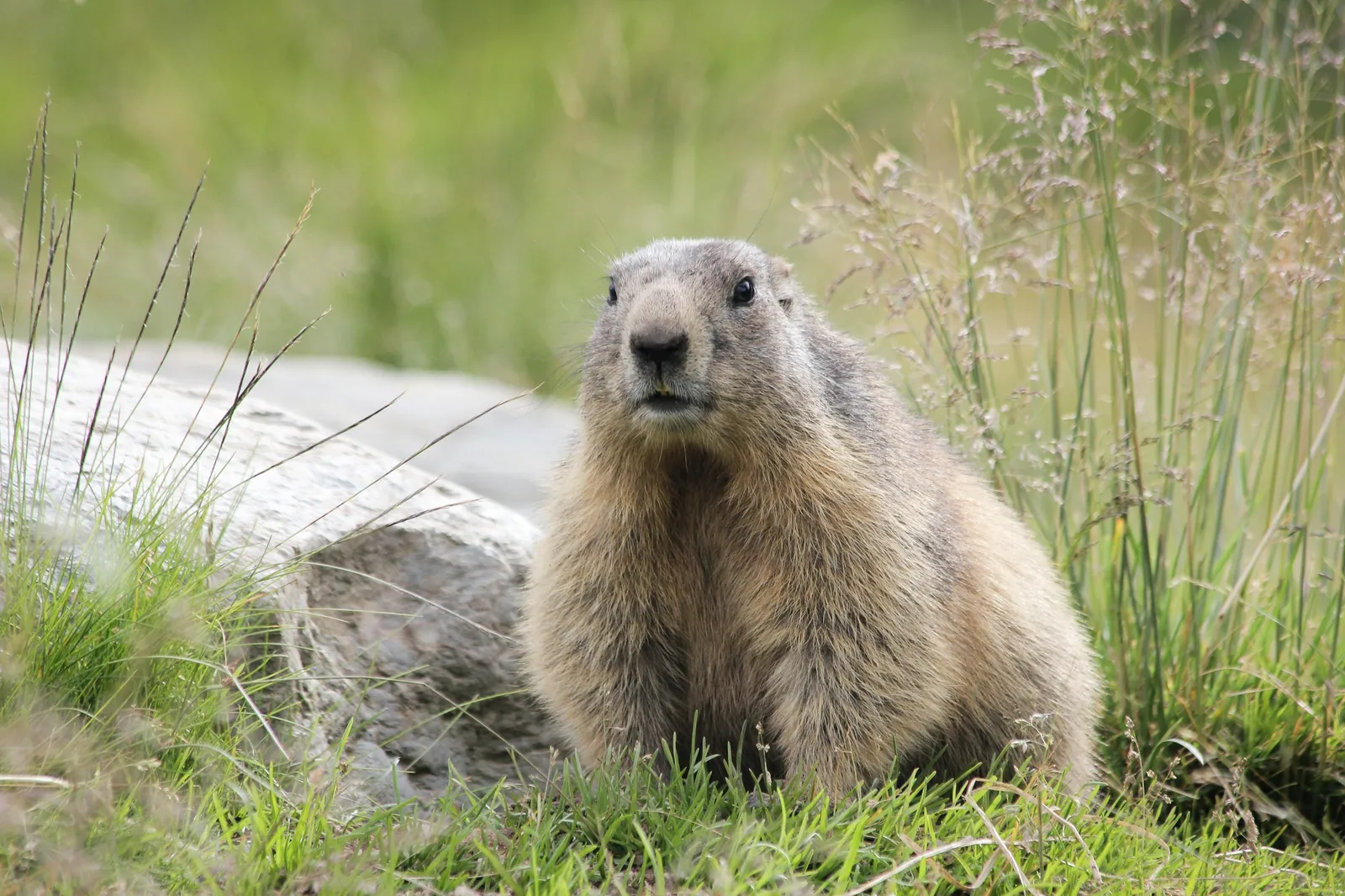
The marmot
Half the year awake, half the year asleep. Usually you hear its whistle before you see it.
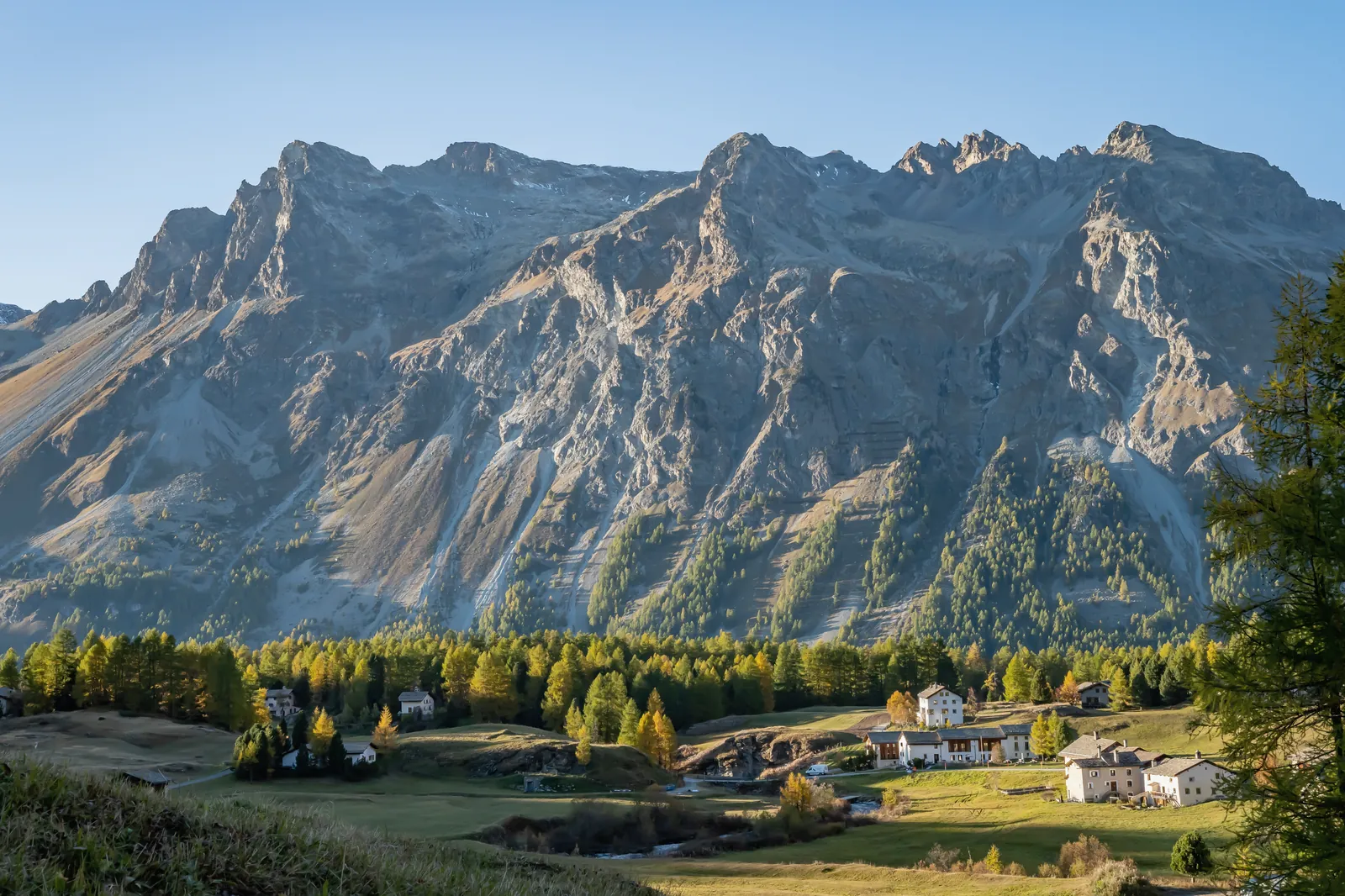
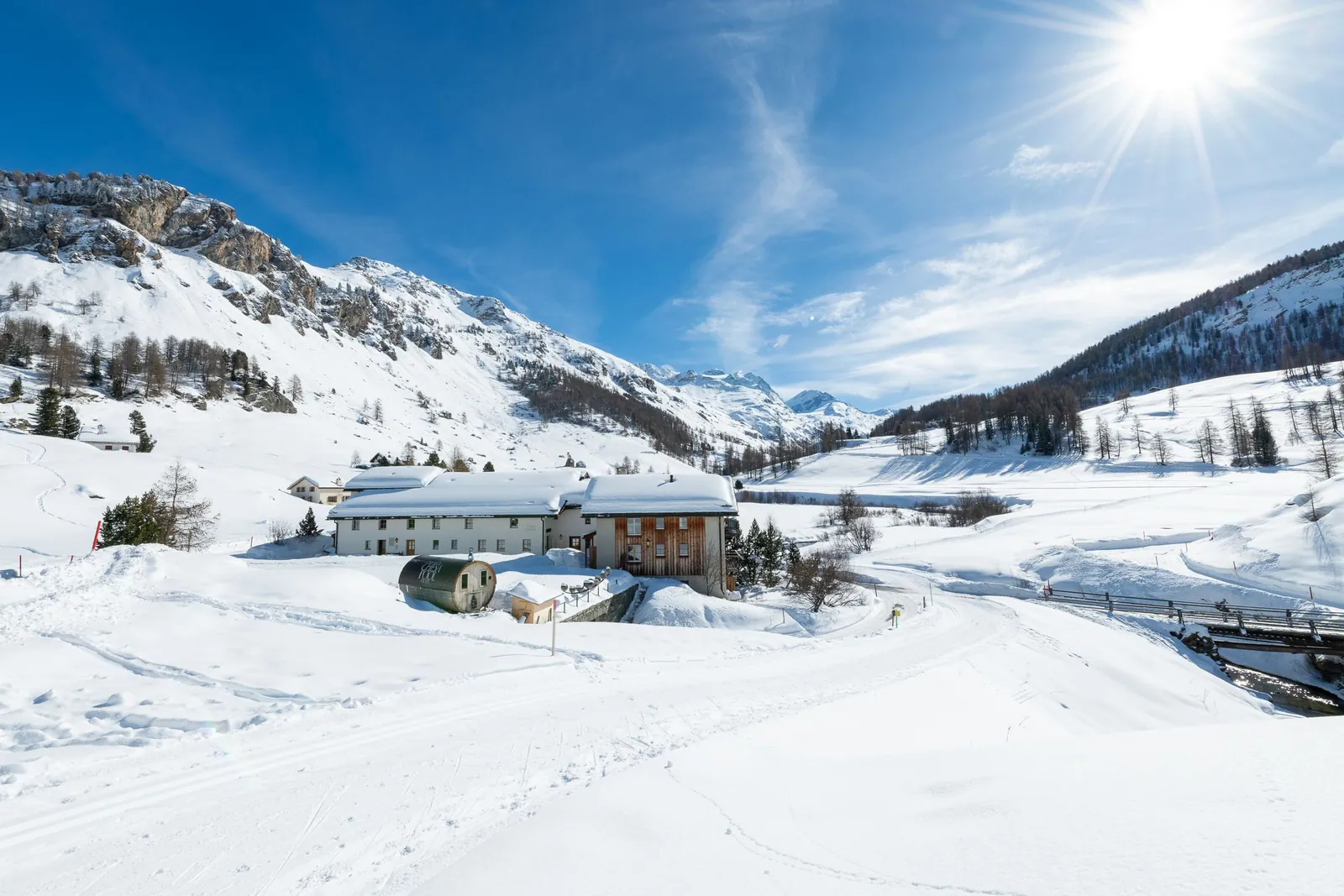
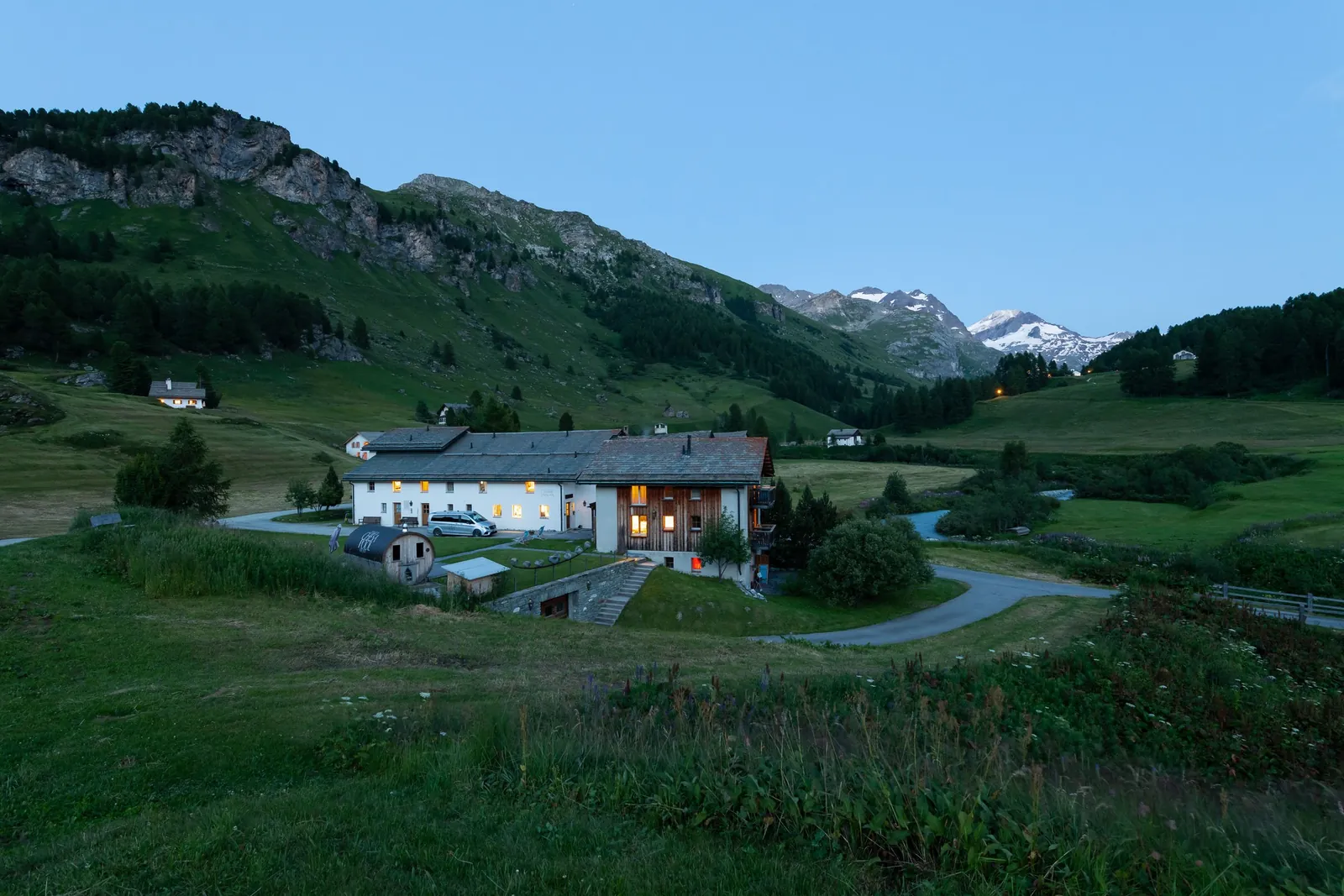
Long before the first guests arrived, they were here: ibex and chamois on the rocks, marmots on the alpine meadows, the bearded vulture above the ridges. Around Val Fex and throughout the Upper Engadine they share the mountains with us. Set out early, keep quiet, and with a little luck you will meet them.
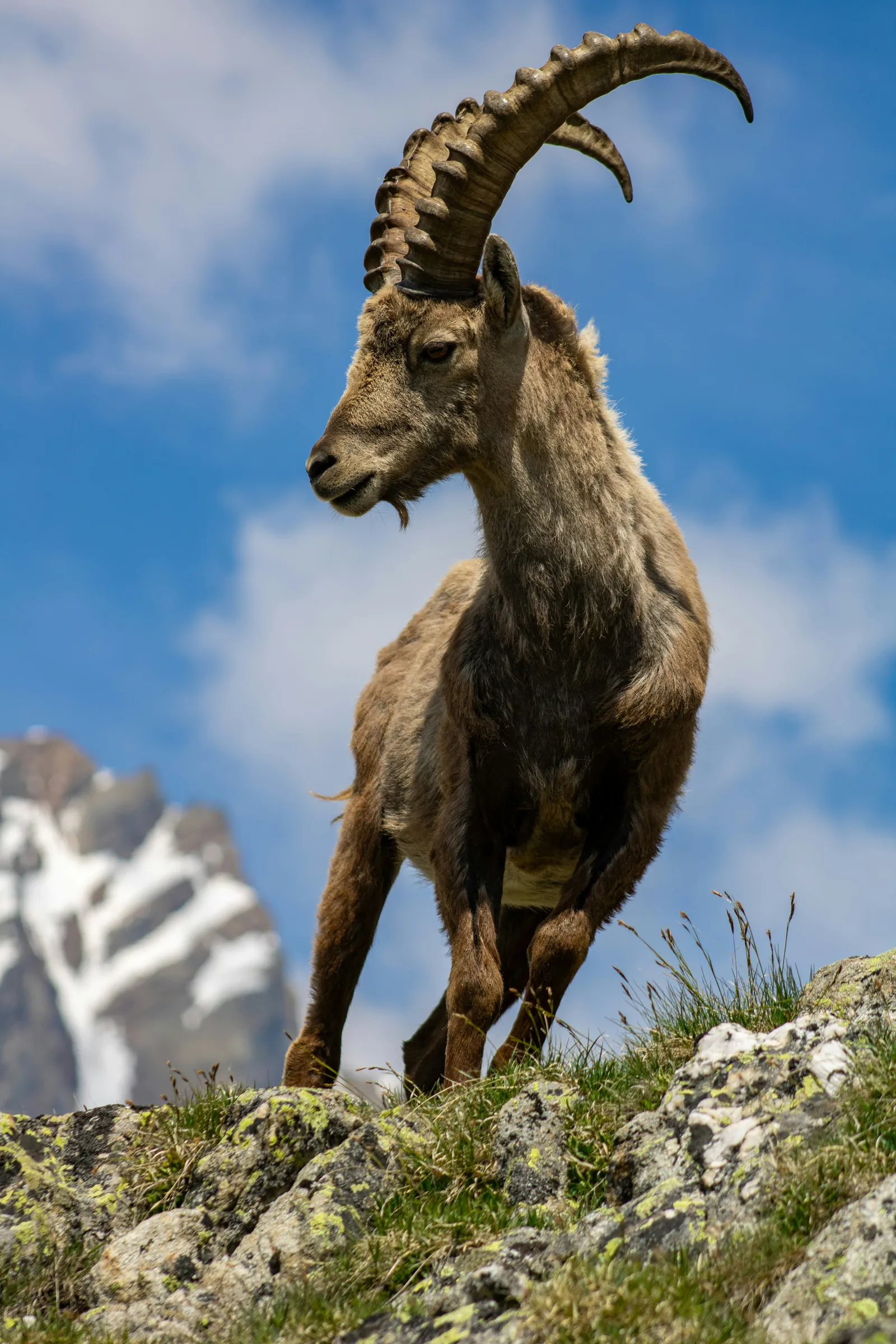
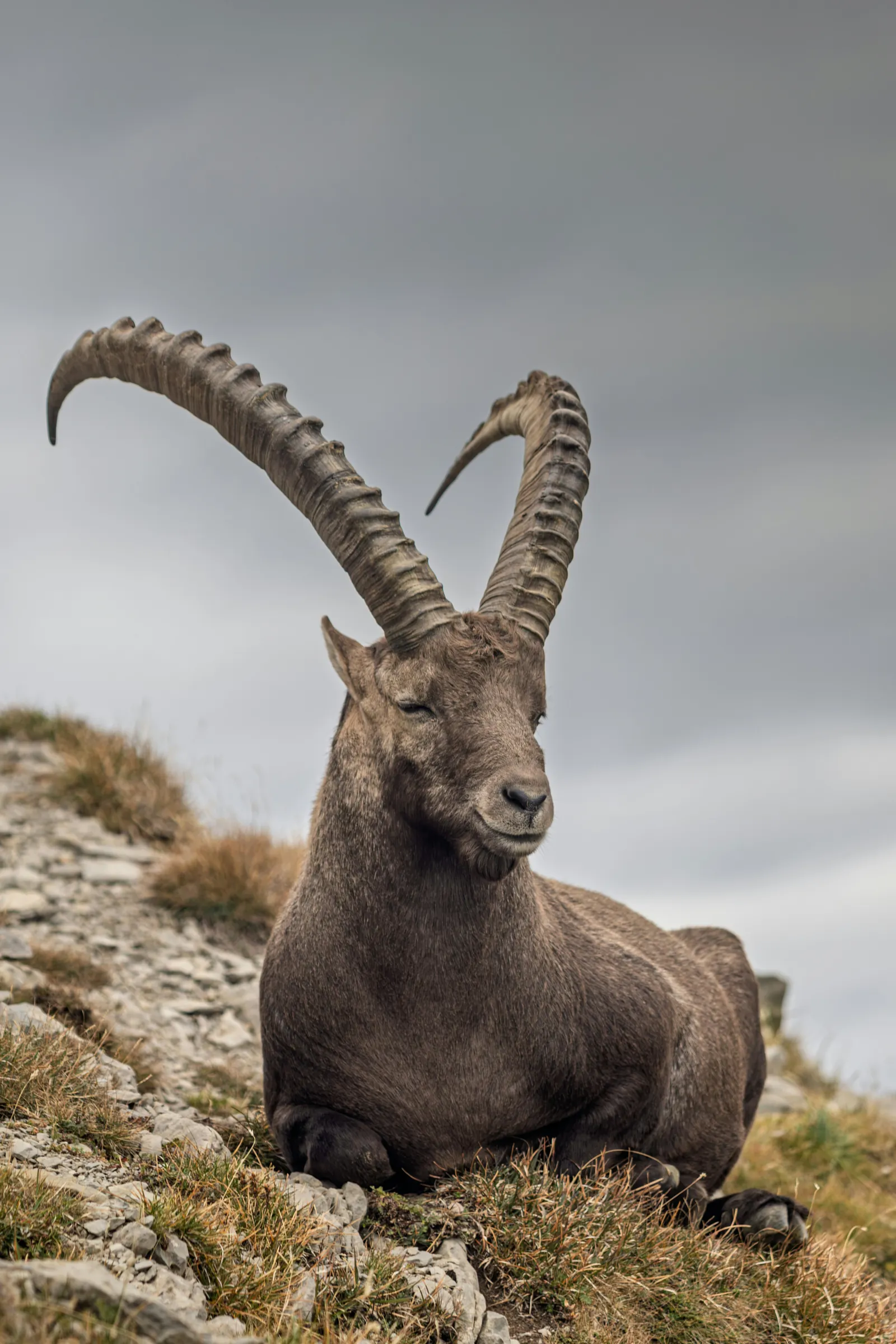
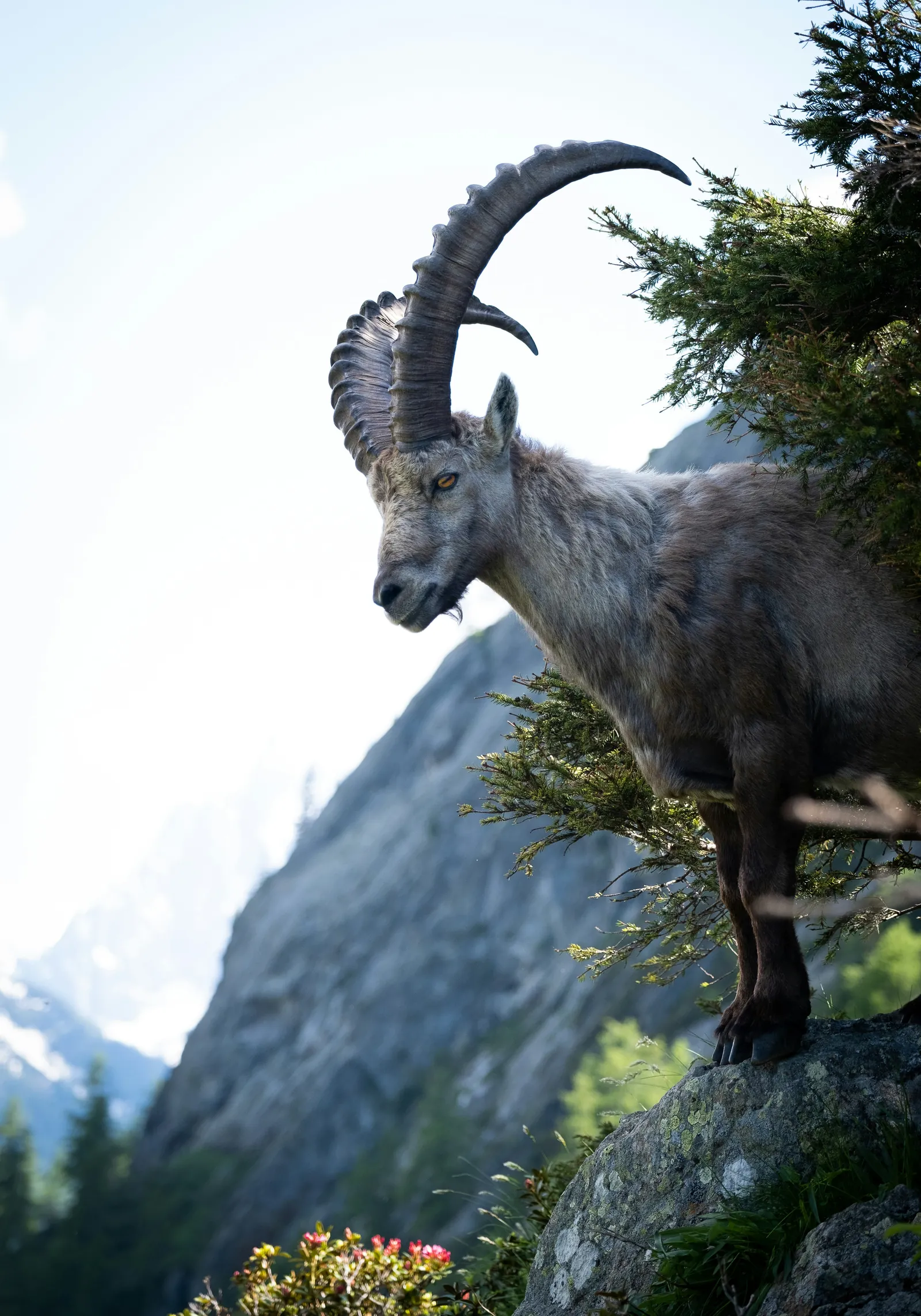
By the 17th century the ibex had vanished from Graubünden. It survived only in Gran Paradiso, the Italian king's hunting reserve, and none were for sale.
On 22 June 1906, in a restaurant in Martigny, a poacher from the Aosta Valley handed two ibex kids to a man from the St. Gallen wildlife park. He had taken them from the king's reserve and carried them across the border by night.
Their descendants were released from 1911, and from 1920 in the Swiss National Park. In 2023 Graubünden counted 7,245 ibex, more than ever before. Almost every ibex in Switzerland descends from those animals.
Lower on the valley sides in spring, high up in the rocks in summer.
Half the year awake, half the year asleep. Usually you hear its whistle before you see it.
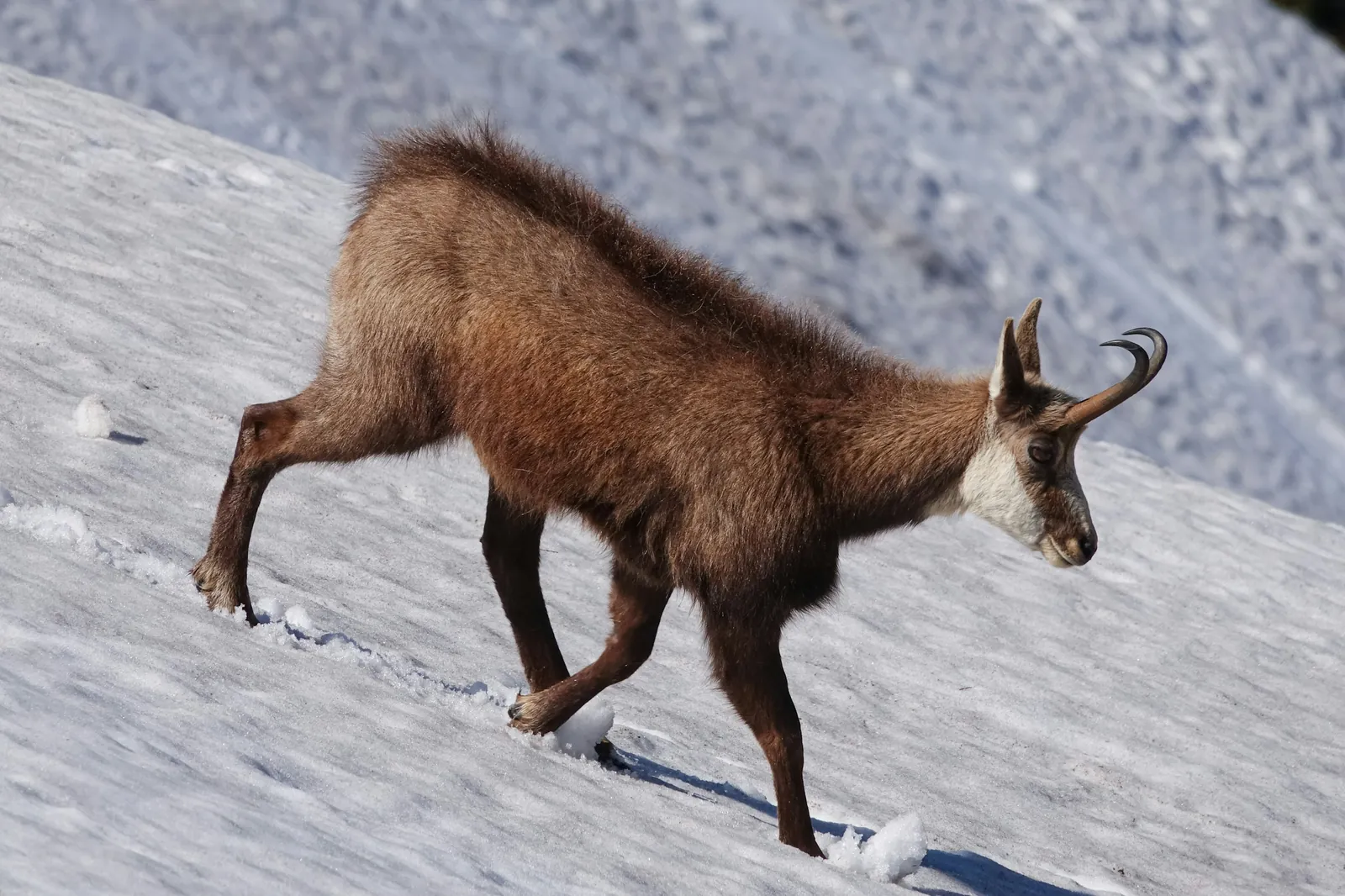
The climber of the steep slopes, sure-footed on rock and snow. The young are born in June.
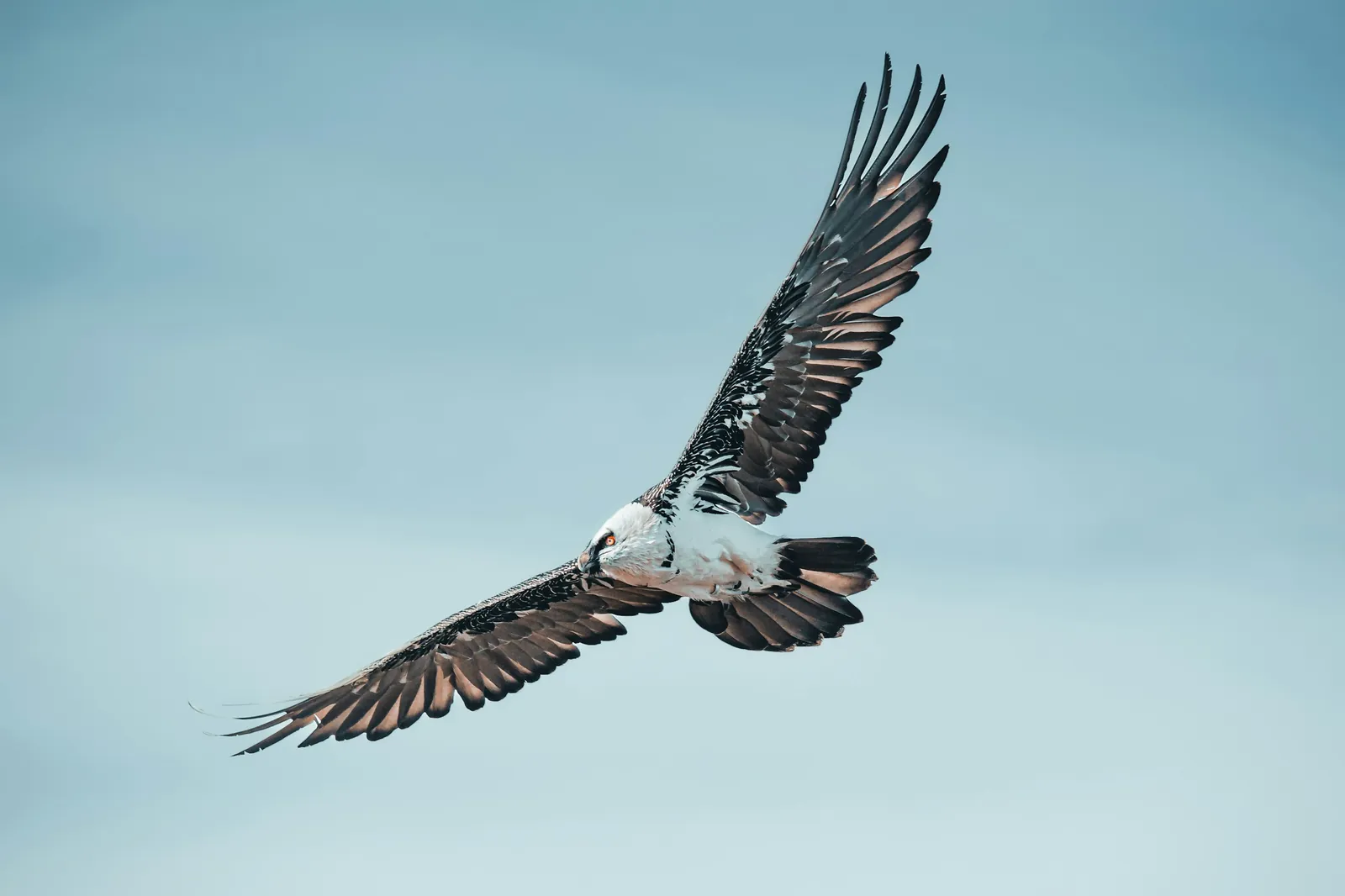
A wingspan of up to 2.8 metres, and it lives almost entirely on bones. Since 1991 it has been circling over the Engadine again, in winter often around midday.
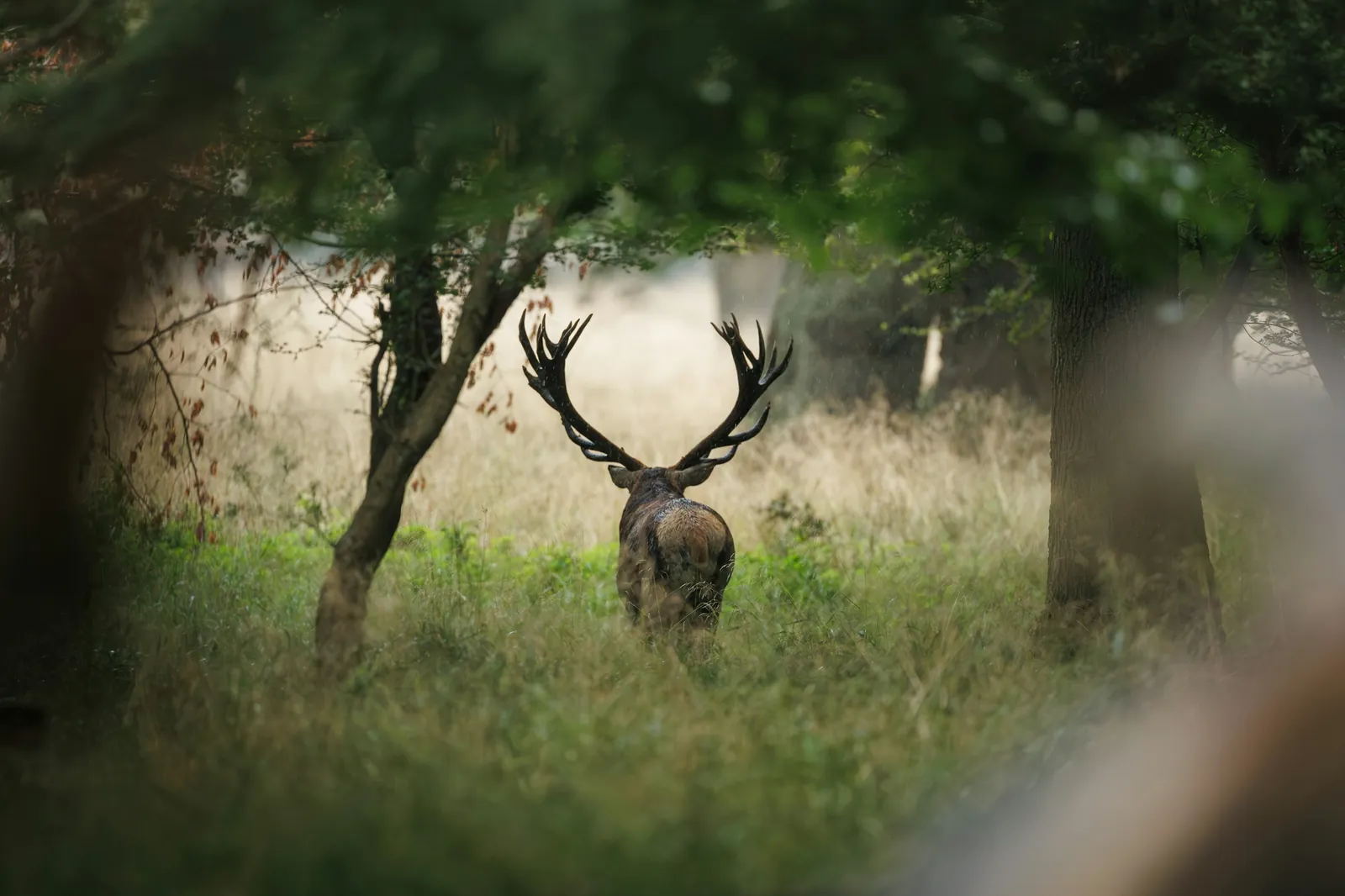
At the end of September the rut begins. On still nights the roaring echoes through the valleys.
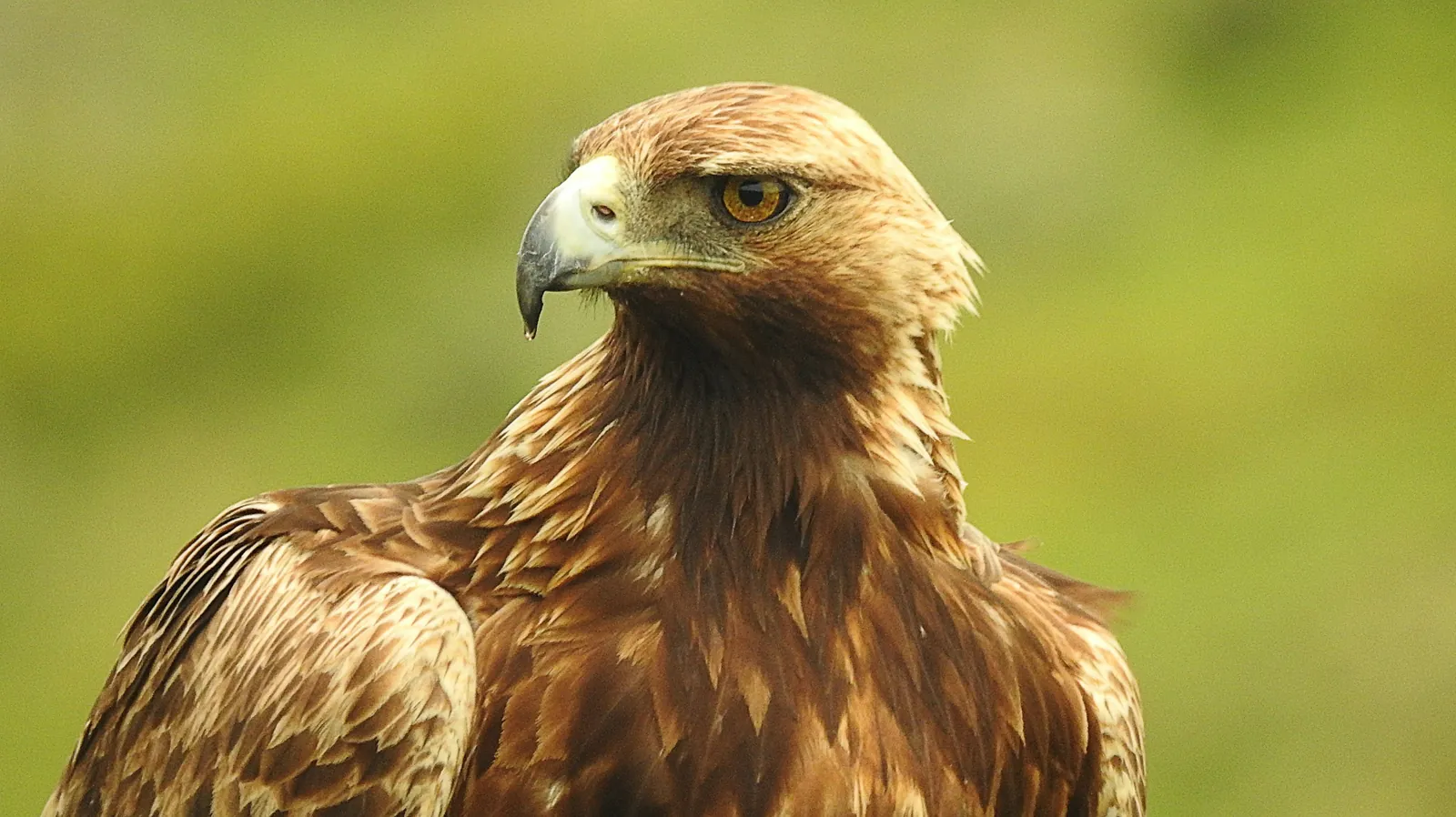
It circles high above the ridges, watching for marmots and mountain hares.
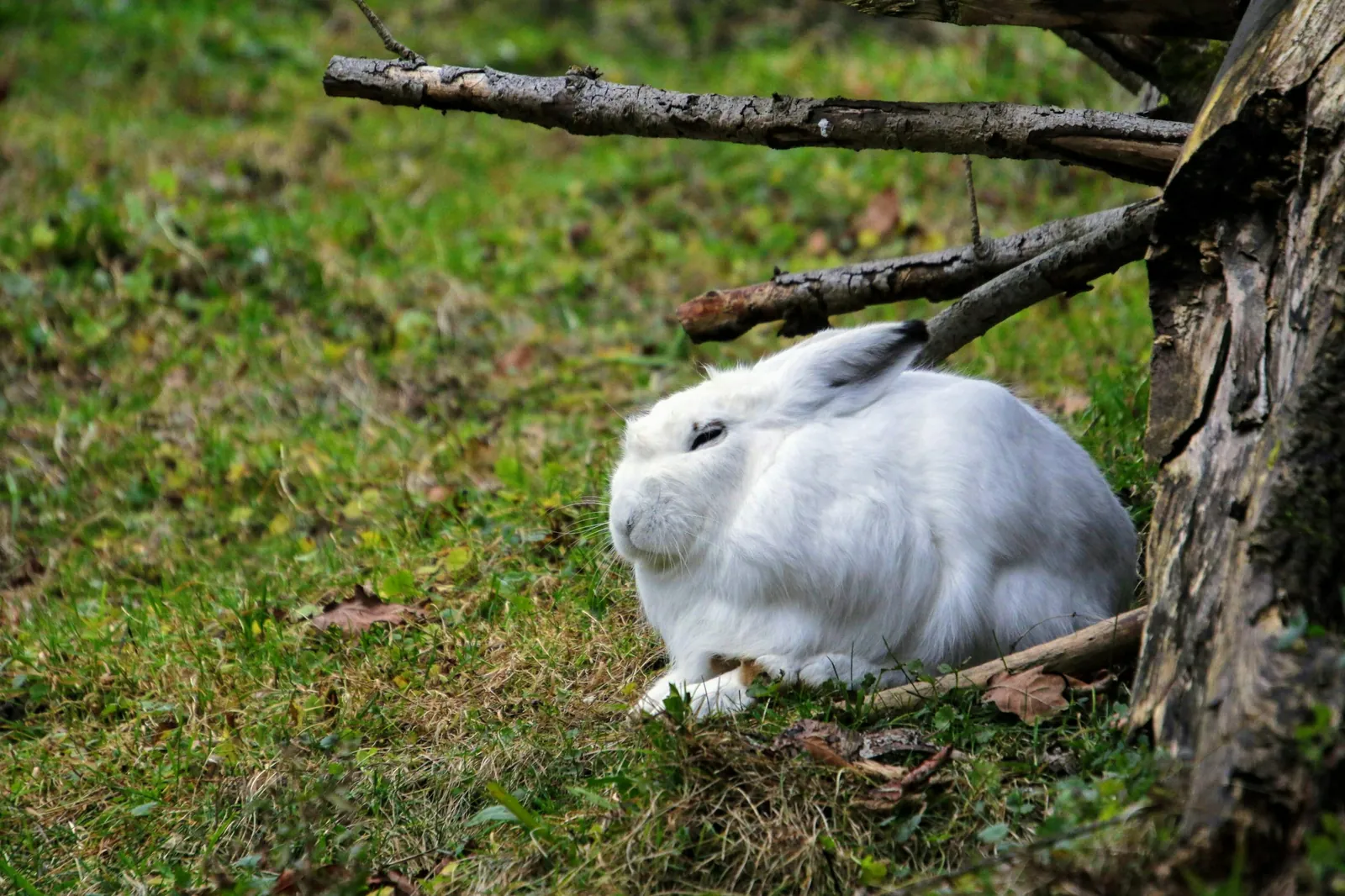
White in winter, brown in summer. Its broad paws carry it over the snow like snowshoes.
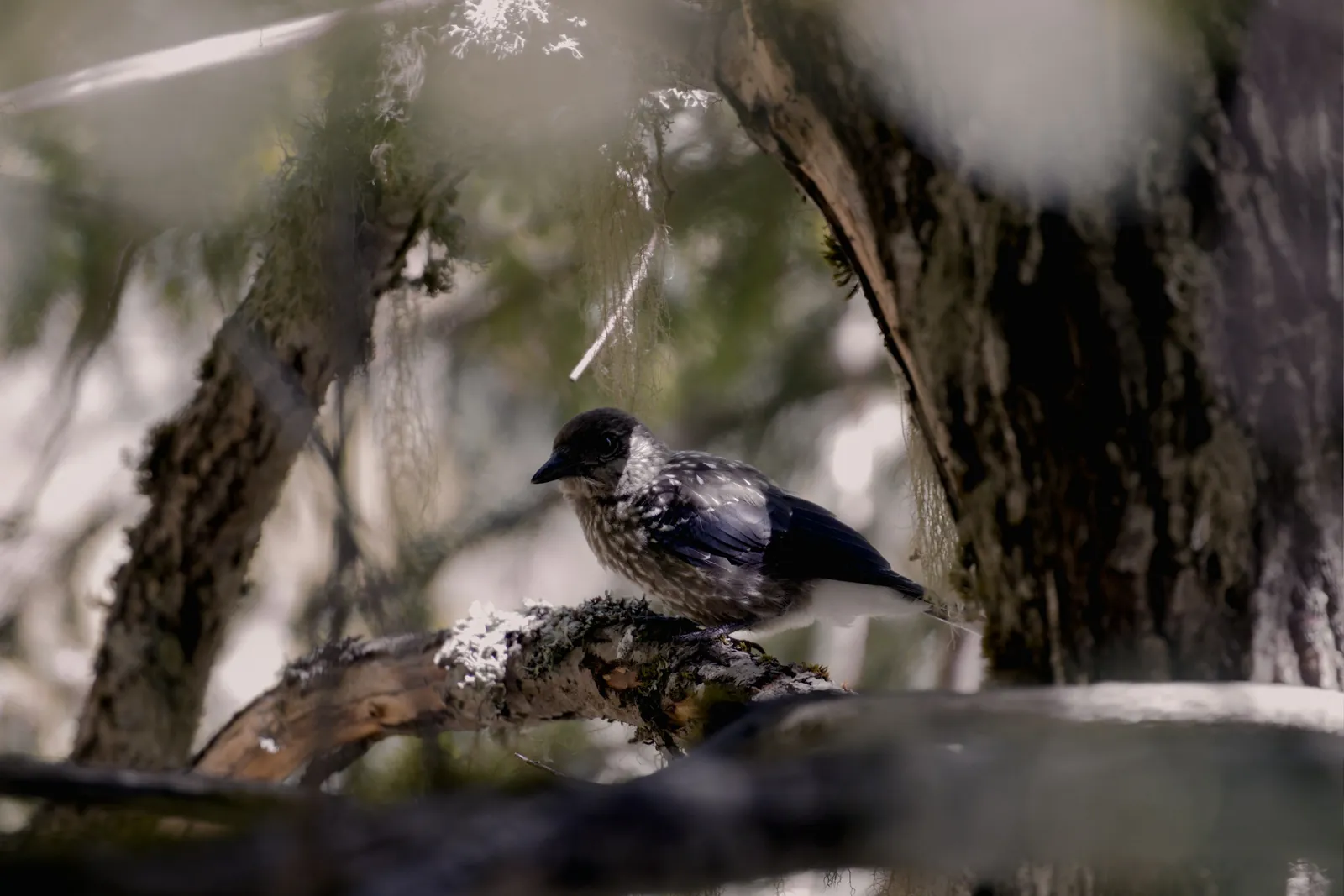
In autumn it hides thousands of stone pine seeds for the winter. The ones it forgets take root: this is how it plants the stone pine forests of the Engadine.
You look at them and leave them standing: Val Fex has been protected since 1954.
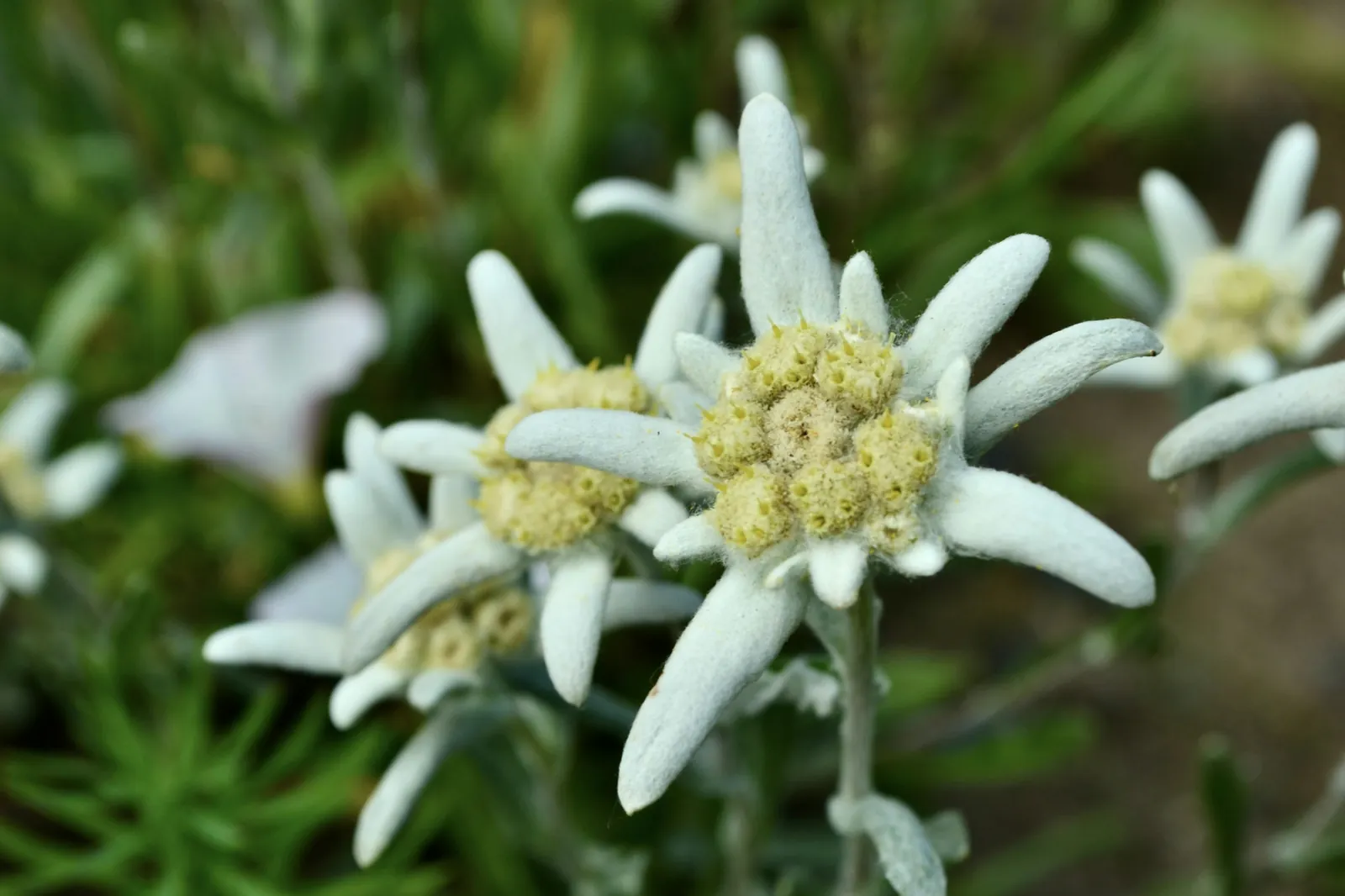
On stony grassland high up, with flowers as if made of felt.
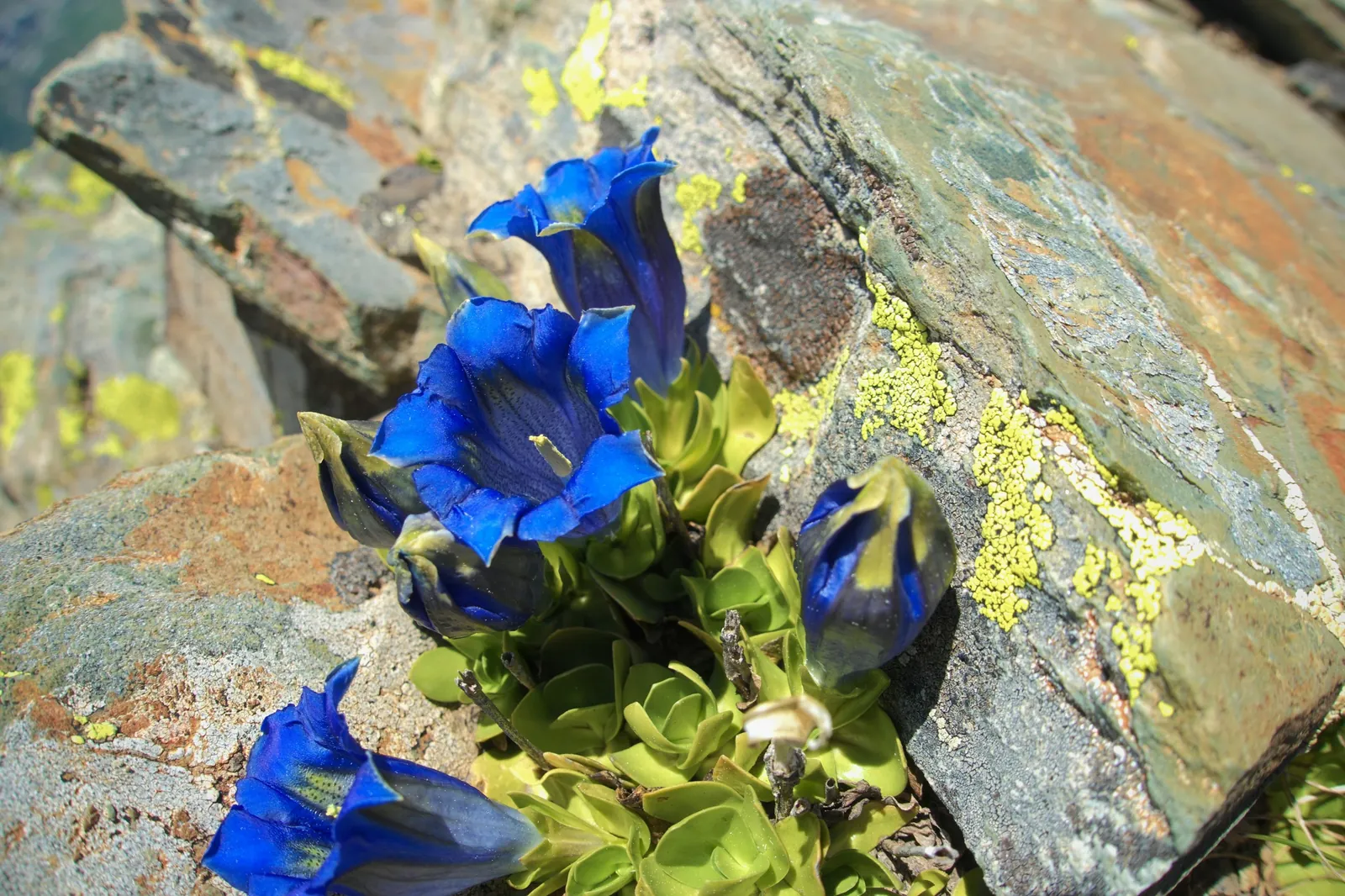
A blue you will not forget, often between rock and lichen.
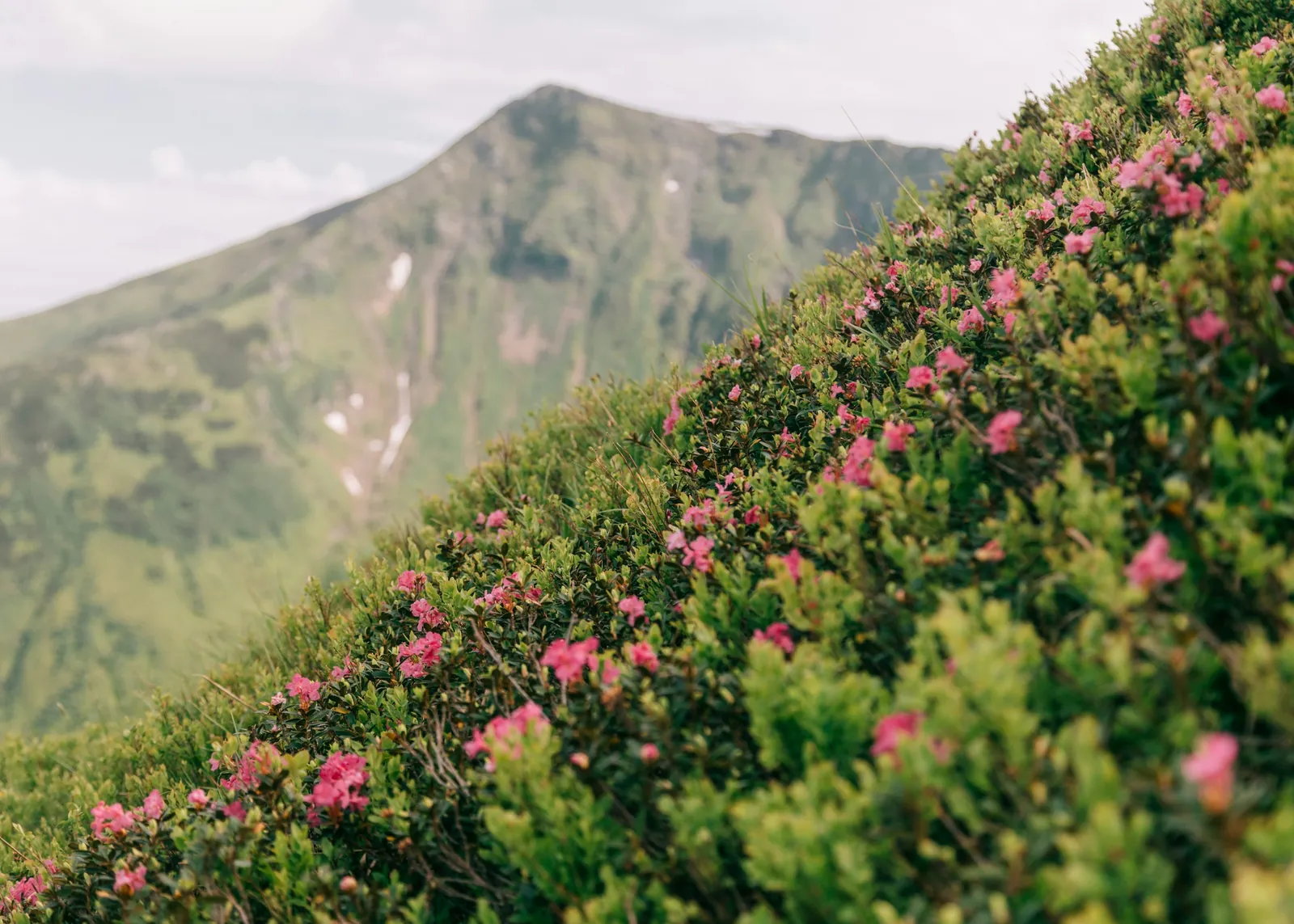
In early summer it turns whole slopes pink.
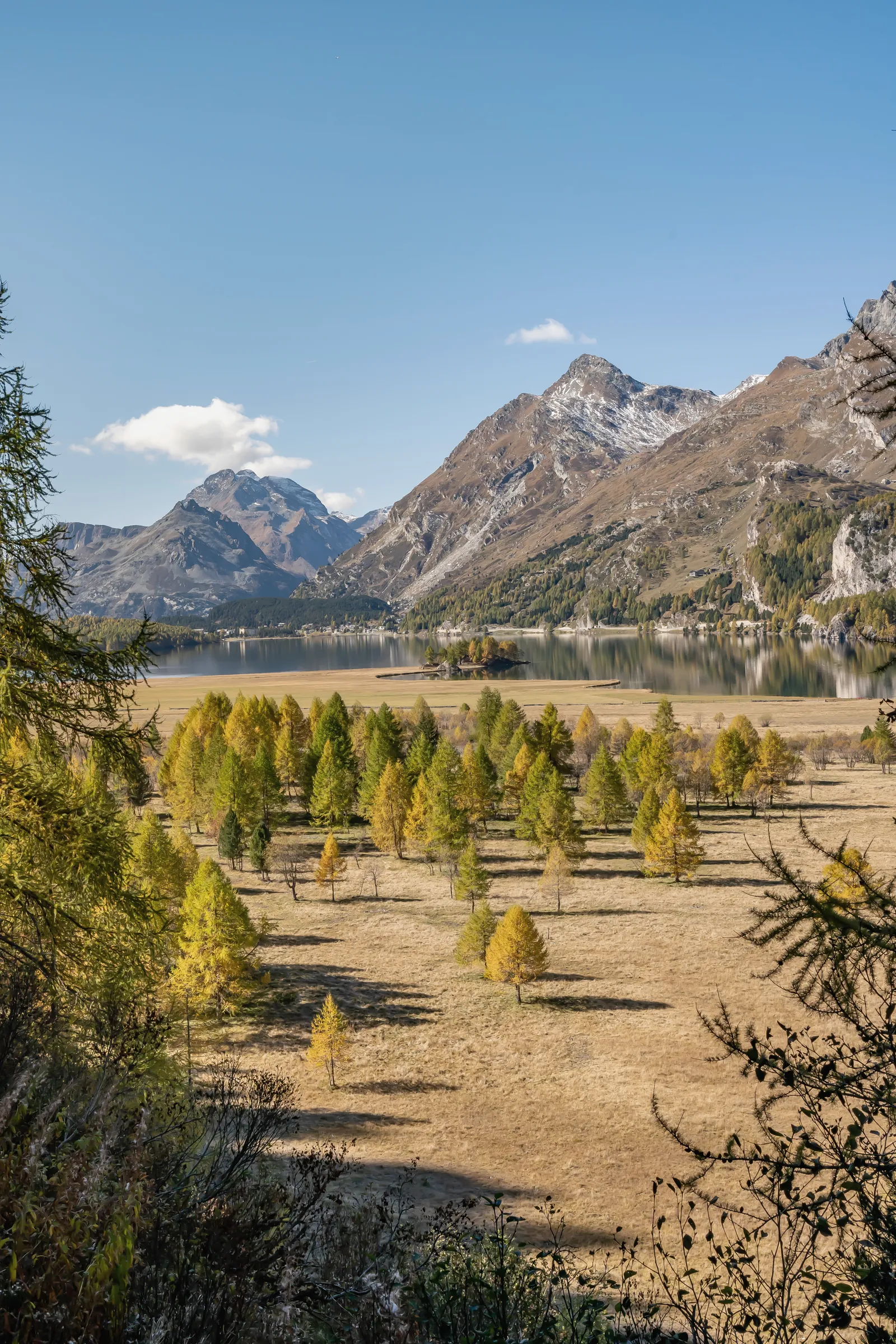
The only conifer of the Alps that turns gold in autumn and sheds its needles.
| J | F | M | A | M | J | J | A | S | O | N | D | |
|---|---|---|---|---|---|---|---|---|---|---|---|---|
| Ibex, lower on the slopes | ||||||||||||
| Marmot, awake | ||||||||||||
| Chamois, the young | ||||||||||||
| Red deer, the rut | ||||||||||||
| Bearded vulture, best time | ||||||||||||
| Mountain hare, white | ||||||||||||
| Nutcracker, pine seeds | ||||||||||||
| Gentian | ||||||||||||
| Alpine rose | ||||||||||||
| Edelweiss | ||||||||||||
| Golden larches |
Photos on this page: Unsplash (David Zieglgansberger, Linus Muheim, Robin Gaillot-Drevon, Miguel Teirlinck, Adrien Stachowiak, Frida Lannerström, Heino Eisner, Mark van Jaarsveld, Simon Infanger, Edit Primeval, Evgen Slavin, Tim Oun, Ciocan Ciprian).
We reopen on 18 December. You can already book for the coming season.